
System design for bushfire zones
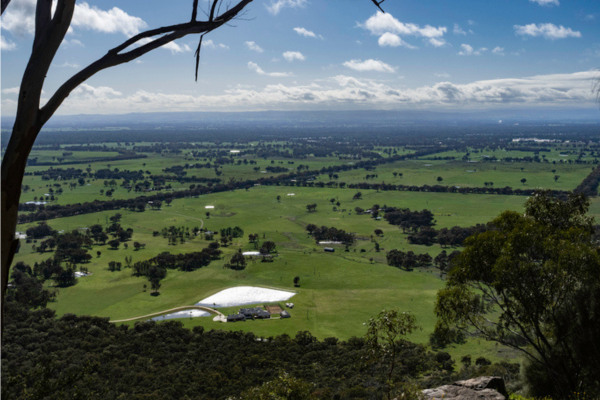
For clients living in bushfire-prone regions, technology isn’t about luxury, it’s about preparedness, protection and, in some cases, survival. Paul Skelton explains.
As climate risks escalate and fire seasons stretch longer, the integrated systems that once served to automate lighting or audio are increasingly being called upon to support something far more vital: Home and life safety.
ADVERTISEMENT
This evolution represents a challenge – as well as an opportunity – for smart home technology integrators. While automation may not stop a fire, it can give homeowners more time, more visibility and more control when everything else is uncertain.
That’s not a gimmick. That’s a responsibility.
Rethinking smart home priorities
When designing for bushfire zones, the integrator’s mindset has to shift. This isn’t just about client comfort or entertainment. It’s about creating infrastructure that stands up in emergencies – robust, responsive and designed with worst-case scenarios in mind.
Standard smart home features, including remote access, scheduled lighting and temperature control, can be reimagined as layers of defence. But only if they’re installed with resilience as the guiding principle.
Power: The first vulnerability
In any fire-prone area, power is among the first services to fail. Utilities may shut it off proactively to prevent electrical fires, or it may be taken out by falling poles or infrastructure damage. And once power is lost, every system that relies on it becomes inert, unless it’s been designed to handle the interruption.
This is where backup power moves from nice to have to non-negotiable. Integrators (if not licensed electricians themselves) should be working closely with electricians and solar professionals to ensure that critical systems such as alarms, security cameras, automated gates, water pumps, lighting and control processors are connected to UPS units or, ideally, integrated into a battery-backed solar array.
For homes with solar power, battery sizing and load management need to be designed around more than daily usage. They also need to factor in emergency scenarios. That means allocating capacity not just for a fridge and lighting, but for comms, automation hubs, and critical safety gear. And all of this needs to be documented, tested and explained to the client.
Remote monitoring and control: Staying informed, even from afar
When a bushfire threat emerges, homeowners are often forced to evacuate long before a fire arrives. That creates anxiety, particularly when they can’t see what’s happening. Remote access to camera feeds, sensor data and automation systems becomes essential.
But these systems need to be more than just accessible; they need to be resilient. That means:
- Camera systems that record locally, but upload key frames to the cloud intermittently when bandwidth allows
- Automation platforms that function without a constant internet connection, and sync data when they reconnect
- User interfaces that clearly show system status: power, temperature, device health, camera uptime
- Alerts configured to notify clients of faults or safety triggers, and not just typical motion or battery warnings
If properly set up, a home owner can check their home’s perimeter, verify that windows are shut, and activate safety scenes from hundreds of kilometres away. That kind of control is not just comforting. It can be lifesaving.
Environmental sensing: More than smoke detectors
Traditional fire protection in homes often revolves around smoke alarms. But in bushfire zones, the threat builds long before smoke is inside. This is where environmental sensors offer significant value. Consider deploying:
- Temperature sensors at the property boundary that alert for rapid spikes
- Air quality sensors that detect smoke particles or drops in oxygen levels
- Humidity sensors that monitor for dangerous dry conditions
- Wind direction and speed sensors that can help model approaching fire fronts
The most advanced systems can tie these inputs into automation logic. For example, if exterior temperatures rise above a threshold, the system could:
- Shut all windows and motorised vents
- Disable fresh air intake and switch HVAC to recirculation mode
- Trigger external irrigation to create a damp perimeter zone
- Lock down non-essential power circuits to preserve backup energy
None of these actions fight a fire directly. But they can create critical time buffers. They can protect internal air quality. And they can help preserve the property if the worst does happen.
Lighting: Visibility equals safety
Lighting plays a dual role in bushfire zones, both in supporting residents and assisting emergency responders. External lights can be programmed to turn on automatically during threat conditions, helping firefighters navigate around smoke-filled properties at night.
Integrators should consider:
- Solar or battery-backed pathway and perimeter lighting
- Scene presets that activate emergency lighting with minimal power usage
- Automated lighting that responds to triggers from temperature or air quality sensors
It’s worth thinking beyond the property too. Well-lit driveways or signage can help responders locate homes. Gate and entry lighting linked to emergency triggers ensures the property can be accessed safely, even if the homeowner is away.
Networking: Building a communications lifeline
Without connectivity, even the best sensors and automation systems lose value. A robust network, designed with failover and redundancy in mind, is one of the most overlooked yet critical parts of a bushfire-ready home.
Design considerations should include:
- Cellular backup routers that maintain connectivity if fibre or NBN links go down
- Satellite internet integration for remote or high-risk homes
- Network switches and routers powered through UPS or solar-backed outlets
- Prioritised traffic rules to ensure alerts and automation commands get bandwidth first during congestion
Even simple touches, like ensuring the main control processor has mobile app access through the backup connection, can make all the difference in an emergency.
Access control: enabling emergency entry and remote lockdowns
In some areas, emergency services may need access to a property even if the owner is away. Automated gates, smart locks and intercom systems must be configured to support this without compromising security.
Options include:
- Pre-programmed ‘emergency mode’ that opens gates or unlocks access paths when a specific trigger is received
- Remote override capabilities for homeowners to let in responders or neighbours
- Backup physical keys or PIN access systems that function without network connectivity
- Signage indicating access instructions for fire services, where permitted by local guidelines
These systems should always be tested with client input, and potentially in consultation with bushfire specialists or local brigades. The time to consider emergency access isn’t when the fire is on the horizon. It’s in the planning phase.
Working with other professionals: Integration is collaboration
Bushfire resilience is a shared responsibility. Integrators shouldn’t be working in isolation. Every fire-aware system you install is part of a broader strategy that includes:
- Builders who design homes to bushfire attack level (BAL) standards
- Landscapers who create defensible zones and fire-retardant plantings
- Fire consultants who help model threat paths and inform safety triggers
- Solar and battery installers who ensure energy resilience
The best results come from early collaboration. Offer your expertise at the design stage. Attend joint briefings with other contractors. And use the opportunity to position yourself not just as a tech installer, but as a resilience partner.
Calm, not alarm
These conversations must be handled carefully. Nobody wants to be sold fear. But clients do want to feel in control. They want options that make their homes smarter and safer; not systems that overwhelm or confuse.
Use simple language. Say:
- ‘This system will still work even if the power goes out.’
- ‘If you have to leave, you’ll still be able to see what’s happening at home.’
- ‘We’ve set up a trigger that activates lights and sprinklers if the outside temperature hits 45°C.’
Position technology as a tool for calm, not panic. That’s what clients will remember when the weather heats up, and it’s what they’ll tell their neighbours when they’re asked who helped design their fire-ready home.
It’s time to build smarter, for real
In an age of longer fire seasons, tighter regulations and rising community awareness, smart home technology has outgrown its status as a convenience. It’s becoming a component of home safety – one that integrates power, data, sensing and automation in ways few other systems can.
For integrators, the message is clear. If you work in bushfire-prone regions, you’re not just wiring homes. You’re helping to future-proof them. You’re not just delivering entertainment. You’re delivering resilience.
And that makes your work not just valuable, but essential.
-
ADVERTISEMENT
-
ADVERTISEMENT
-
ADVERTISEMENT
-
ADVERTISEMENT